
Frequently Asked Questions
Below are questions we are asked the most often about the work we do at HUGS here in Panajachel, Guatemala. For more information, you may email hugs.guatemala@gmail.com.
How many families does HUGS support?
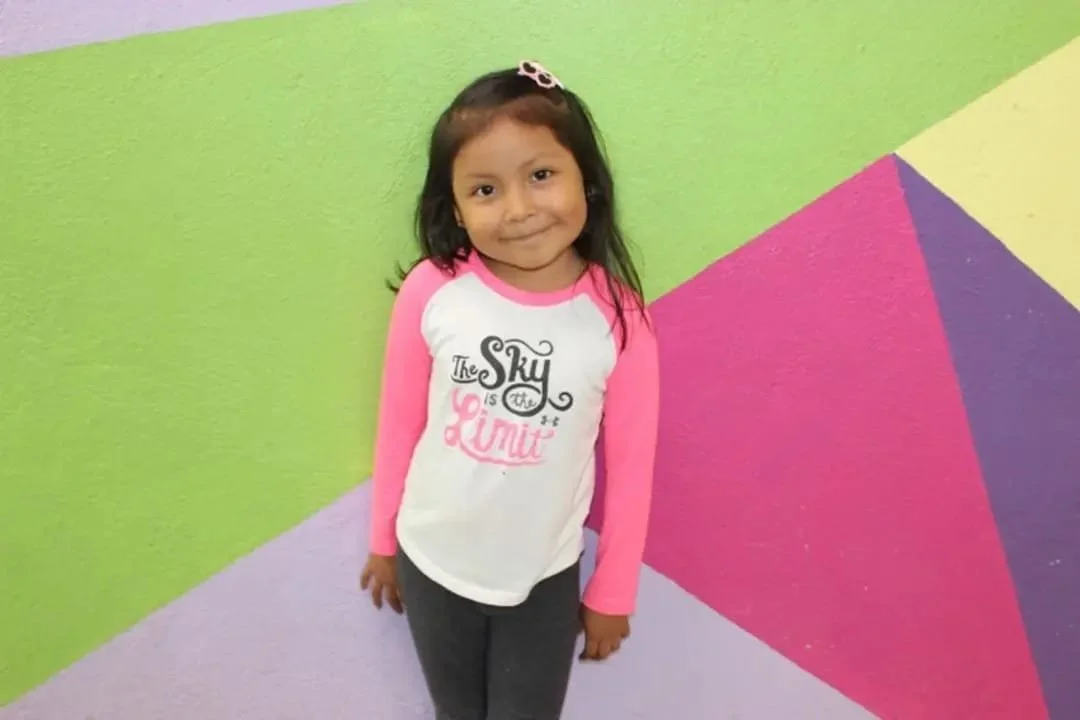
HUGS currently supports more than 100 children and families across communities in Guatemala, helping ensure children have access to education, nutrition, and a safe foundation for learning. Each child we support represents an entire family impacted. When a child stays in school, families gain stability, hope, and long-term opportunity.
Our programs are intentionally relationship-based, allowing us to maintain deep, meaningful connections with the families we serve.
What is the impact of my donation?
Your donation does far more than cover school supplies, it changes the trajectory of a child’s life.
A HUGS sponsorship helps provide:
School supplies, uniforms, shoes, and backpacks
Tuition and registration fees
Food and essential household support, including bunk beds and dental care
Access to social workers and ongoing mentorship
Most importantly, your support removes the financial barriers that often force children out of school and into labor. Education gives children choices, confidence, and a future beyond survival.
Does HUGS work with local social workers to administer programs?
Yes. HUGS is proud to employ local social workers, translators, and community staff who know the families, culture, and challenges firsthand.
This local leadership ensures:
Programs are culturally appropriate and responsive
Families receive consistent, trusted support
Children are monitored not just academically, but socially and emotionally
By investing in local professionals, HUGS strengthens the broader community while delivering more effective, dignified support.
How is my child sponsorship donation used?
Sponsorship donations are used holistically to support your sponsored child’s education and wellbeing. Funds may be used for:
School tuition and fees
Educational materials and uniforms
Nutrition and basic household needs
Program staff and on-the-ground support
This flexible approach allows HUGS to respond to each child’s real needs, ensuring support is both efficient and impactful.
How long does a sponsorship last?
Sponsorships typically last one school year at a time, with the opportunity to renew annually. Many sponsors choose to support a child over multiple years, walking alongside them as they grow, learn, and progress through school.
Long-term sponsorships provide stability and are especially powerful in helping students stay in school through critical transition years.
Can I learn about my sponsored child’s education and progress?
Yes. Sponsors receive updates about their child’s educational journey, including school progress, milestones, and occasional stories from their local community.
These updates help sponsors feel connected to the child they are supporting and understand the real-world impact of their generosity.
If you participate in a HUGS Vision Trip, we’ll make sure you get to meet your sponsored child.
Can I communicate directly with my sponsored child?
For safety and privacy reasons, direct communication is managed thoughtfully through HUGS staff. Sponsors may have opportunities to:
Send letters and messages via email, and gifts directly through HUGS. (Gifts are purchased here in Guatemala as there is no direct mail service available.)
Receive photos or notes from sponsored students and families facilitated by the HUGS team.
This ensures communication is safe, appropriate, and meaningful for everyone involved.
What is a HUGS Vision Trip?
The HUGS Vision Trip is an opportunity for supporters to visit Guatemala, meet the HUGS team, and see the programs in action.
Participants gain:
A deeper understanding of the communities HUGS serves
Insight into how donations are used on the ground.
A chance to experience the heart and mission of HUGS firsthand
While visits with sponsored children may be possible, all interactions are carefully coordinated to protect children’s wellbeing and dignity.
Why is Panajachel, Guatemala so special?
Panajachel sits on the shores of Lake Atitlán, a region known not only for its natural beauty but for its deep cultural history. It is a crossroads community where tourism exists alongside long-standing Indigenous Maya communities, many of whom continue to face barriers to education and economic opportunity.
HUGS works here because of its strong local relationships and the opportunity to create lasting, community-rooted impact through education.
What makes the Indigenous culture around Lake Atitlán unique, and how does HUGS support it?
Guatemala is home to 22 Maya languages, as well as Xinca and Garífuna, making it one of the most linguistically diverse countries in the Americas. Around Lake Atitlán, many families speak Tzʼutujil, Kaqchikel, or Kʼicheʼ, often alongside Spanish, and continue to practice living cultural traditions such as weaving, agriculture, and the wearing of traditional clothing (traje) that reflects community identity.
HUGS works with local staff and social workers to support children within their own communities, ensuring education strengthens cultural identity. By removing barriers to schooling while honoring language, tradition, and family life, HUGS helps children build opportunity without losing connection to who they are or where they come from.